JEE 2026 Preparation Strategy: Built Strong Basics, Earn Strong Results
The JEE Main and JEE Advanced 2026 syllabus is based on the NCERT books of Classes 11 and 12. There are three subjects i.e. Physics, Chemistry and Mathematics. As a lot of questions are asked from these books, basics should be well comprehended by students. Kinematics, a chapter of Physics, has weighted quite a lot. Almost 19 questions have been related to it in previous years’ question papers. Chemical Bonding in the subject of Chemistry is a chapter of great importance which has contributed 11 questions. Vectors in the subject of Mathematics has also seen a lot of high scoring questions as there were about 24 questions related to this unit. These examples can be enough to convince students that focusing on these units can be beneficial.
High-Weightage Chapters You Cannot Ignore
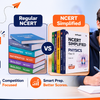
NCERT books are not just useful, but necessary to succeed. Even in Chemistry, about 60 to 70 per cent of the questions are either directly taken from the NCERT or are derived from it and its concepts, examples and exercises. A good approach is to read each NCERT book at least three times – at first a general reading gives an idea, the second one reinforces the concept and the third one helps in clearing small doubts. The other reference books should be studied only after this.
With strong basics comes strong results. When your fundamentals are strong, you can solve difficult JEE questions with ease.
Best Resource For JEE 2026
The best resources for JEE Mains preparation are official NCERT books of Class 11 and 12 Physics, Chemistry and Maths and NCERT Exemplar problems. They have been prepared with the syllabus in mind and cover 90 per cent of the topics asked in the exam. Free PDF PDFs are available at the official NCERT website ncert.nic.in and it is very easy for every student to obtain them.
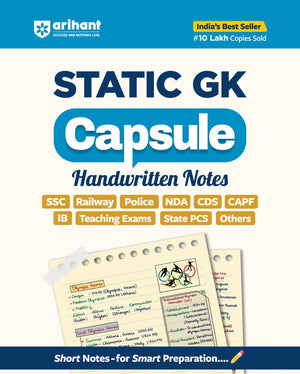
If you study them carefully, they present clear explanations with solved examples and practice questions according to the exam pattern. To go deeper, combine NCERTs with Arihant Master the NCERT for JEE, a focused series that digs into every NCERT line, example, and exercise, and elaborates with JEE-specific practice questions and shortcuts. It connects the dots between mere reading and exam-ready application without overwhelming the beginner.
A lot of students make a mistake at the start by ignoring the NCERT basics and jumping straight to Irodov or HC Verma books and so on. This is useful too but you will find that ignoring NCERT first will cause a 20 to 30 per cent drop in your potential score. This is because the basics would not be clear. So, it is recommended that you finish NCERT thorough first and then move on to high level books that will help you in accuracy.
Revision Strategy: Avoid The Mid-Preparation Dip
During the mid-term of preparation students either reduce revision time or completely skip weaker topics such as Inorganic Chemistry/ 3D Geometry. This can be an expensive mistake. We advise therefore to allocate some time each week to revise major topics in each chapter and solve past year questions. Regular revision and balanced practice help in consistency and boosts performance.
An important mistake many students make, as the exam draws nearer. They study the theory, but rarely undertake mock tests and previous year questions. This often results in pre-exam stress. The remedy is simple and effective. Target two full length tests a week. Keep a clear error log after every test. Note down errors, the right way, and revise that area/section. Regular mock practice with error analysis can boost scores by almost 22 percent because it improves accuracy and time management. Previous year question papers are as important.
They give a clear picture of the exam. Calculus is known to contribute close to 18 percent of JEE Advanced questions in many years. PYQ practice improves understanding of difficulty, common question patterns. More importantly, it can reduce exam anxiety by as much as 40 percent because the paper feels familiar. After NCERT, PYQs should become a regular habit.
A balanced preparation strategy works best. Allocate about 40 percent of time to NCERT revision, 30 percent to reference books, and 30 percent to practice tests and PYQs. Track your weekly performance in a simple Excel sheet, similar to sales tracking. Monitoring scores, weak areas, and improvements keeps preparation focused and measurable.
Best 10 Month Structured Preparation Plan
A well laid out plan is a must to make JEE preparation easier and effective. Now for 2027 exam, for the first three months, we suggest you to focus only on NCERTs. We mean, read every chapter, solve them all examples, do all exercises. It’s not about covering topics fast but having a good base on every concept. A good start in these months will shield you from confusion in future. In next four months, prepare well by solving previous year question papers regularly. It’s all about applying concepts in various ways to solve a problem.
PYQ’s help you to understand how topics are tested. It also helps to practice problem solving and helps in speed too. But don’t forget to revise NCERTs throughout this period. In the last three months, focus on full length mock tests and revision. Practice tests regularly and analyse them one by one. Identify your weak spots and correct them quickly. Regular mock practice and revision can push your scores to a good 250 plus plus and improve your rank tremendously.
Final Advice
JEE preparation isn’t about tricks. It is about consistent disciplined effort. Mastering NCERTs and PYQs one step at a time is the ticket to IITs. Just as an online store’s growth is achieved by continuously monitoring and smart modifications, consistent effort and effective strategy result in strong outcomes.